
Design. Education. Research.
“To understand the practice of weaving and its role in the thriving textile industry, we need to follow the threads of this ancient art all the way back to prehistory … “ Sam Stephens
Craft Entrepreneurship Intensive Program
The interest form is now open for the Craft Entrepreneurship Intensive Program. Designed to provide insights, information, and education for growth-stage craft businesses with at least 3 years in business, this program offers entrepreneurs experiential learning to help them grow and develop their businesses through experts specializing in six tracks: business structure, financial management, non-traditional capital, brand marketing, and circular economy for craft. Through an application process, we will welcome 25 craft business owners who support both economic and cultural sustainability and recognize their social contribution.
Live virtual program: Wednesdays, January 27 – February 24, 2027, from 2 p.m.- 4 p.m. ET. Program fee: $495 (includes a one-year Surface Design Association Digital Membership)
Complete the Interest Form
Books + Education + Research
What is organic fiber?
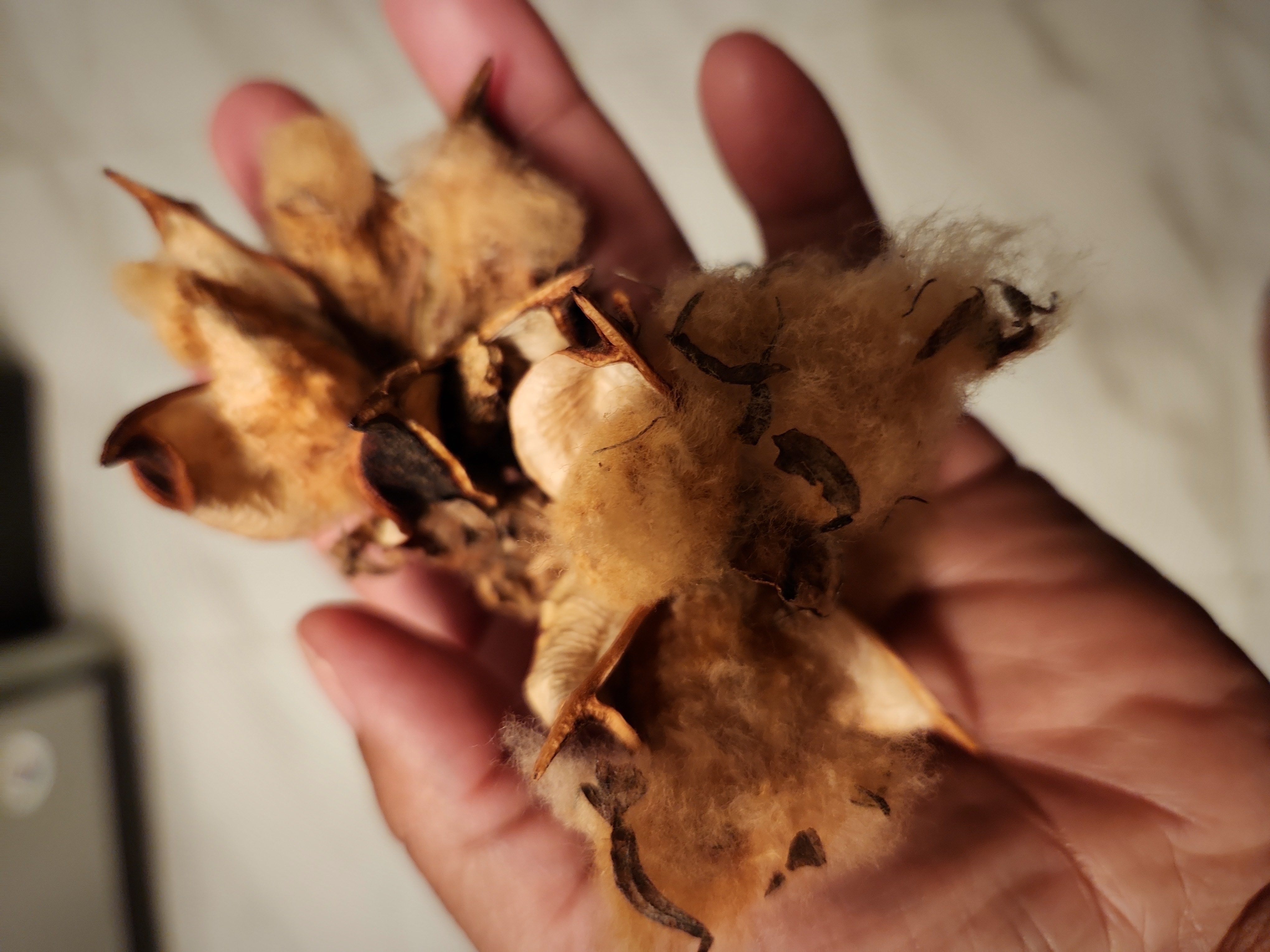
Organic fiber includes cotton, wool, hemp, flax (linen), and other natural fibers grown according to national organic standards without toxic and persistent pesticides, synthetic fertilizers, or genetic engineering. USDA-accredited third-party certification organizations verify that organic producers use only acceptable methods and materials in organic production.
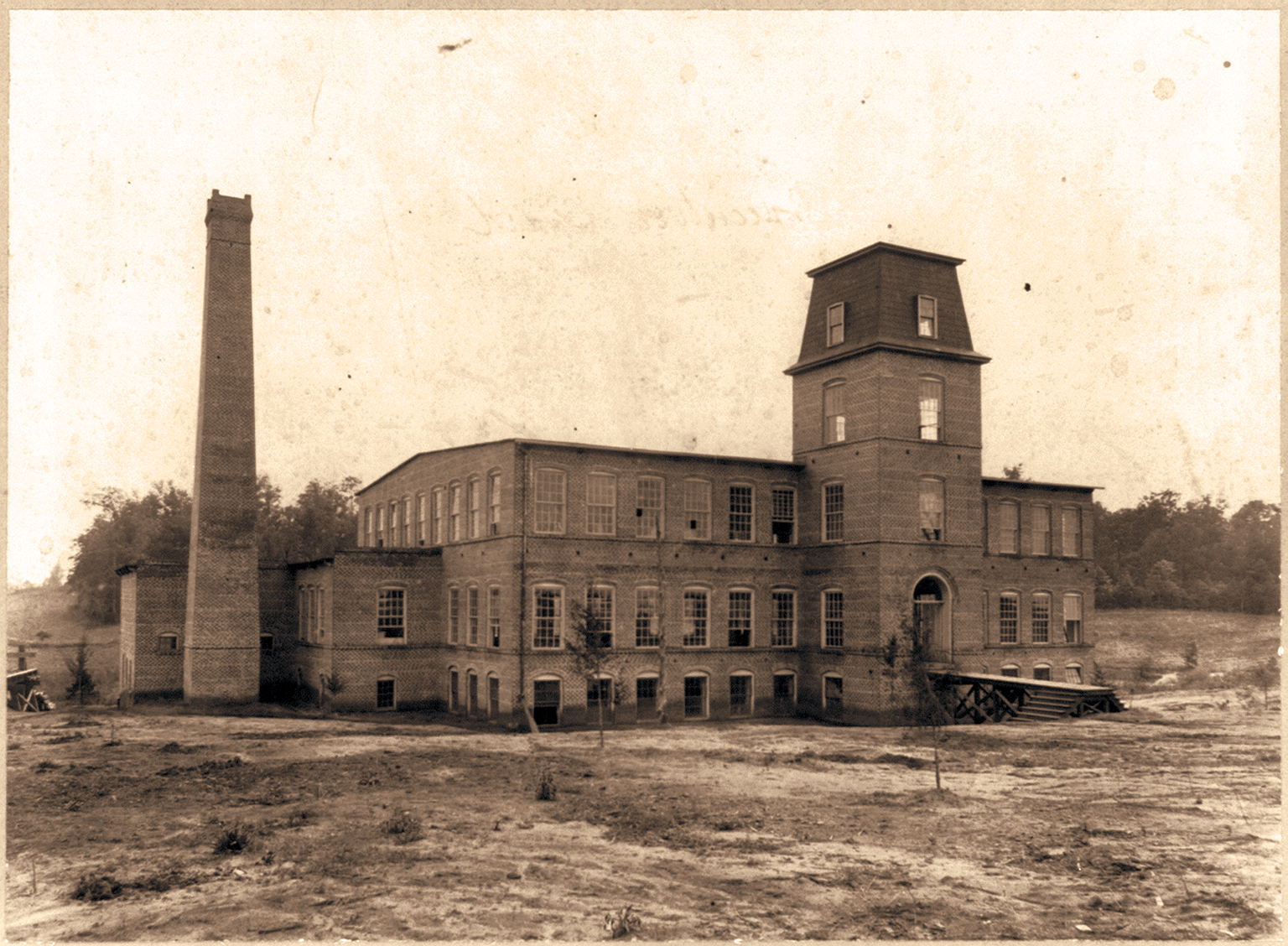
Photo: Coleman Manufacturing Co., first African American-owned and operated cotton mill, 1899-1904.
Features
Legacy of The Newbury School of Weaving
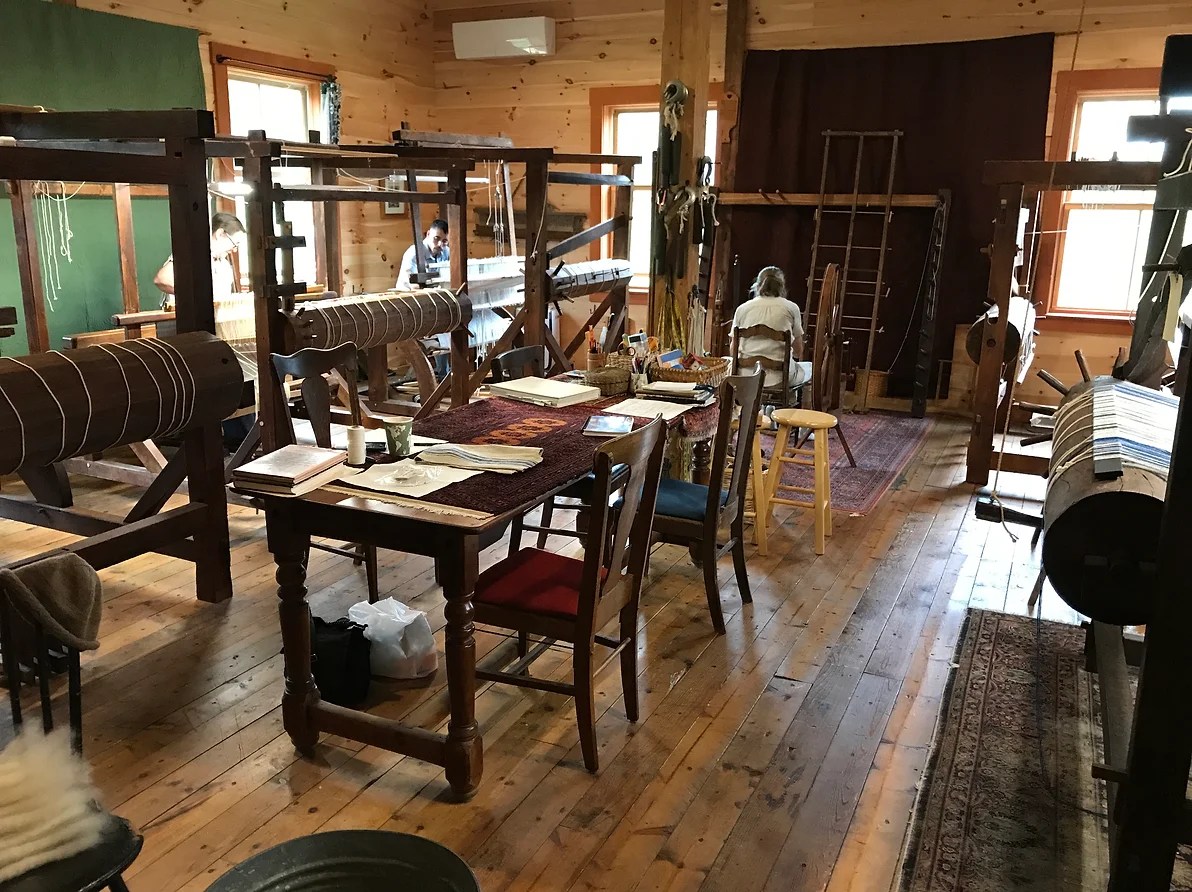
Formerly, The Marshfield School of Weaving, The Newbury School of Weaving, is the nation’s foremost school for textile techniques as practiced before the handweaving revivals of the 20th century, opened in 2007. The instruction is founded on efficient, practical methods rooted in a tradition dating back to the Middle Ages. “At the Marshfield School of Weaving, we preserve and teach the British-American expression of traditional textile making. While this system has much in common with other European and Eastern traditions, we have inherited the form practiced in Scotland and learned by Norman Kennedy in the first half of the 20th century.”
Our Impact
As a Benefit Corporation, Fiber With A Cause delivers an annual Impact Report to the public each year for review in June. The Impact Report reflects the previous years’ efforts, deliverables, and outcomes.
As a board, our collective goal is to support and uplift the voices of textile and fiber artisans and organizations by working with them to create financial resilience. Learn more!
About Us
Sustainability and Education
Get In Touch
- programs@fiberwithacause.com
- Instagram @fiberwithacause
Location
Washington, DC

